Personal trainer
Sell your training programs from a site of your own
Programs week by week, the plan as a PDF, and a phone for a gym.











Who it is for
You coach remotely and your programs go out as PDFs or in a chat thread.
What it settles
- One category per program, one sub-category per week
- The session plan as a PDF under the video
- Singly with an access period, or everything by subscription
Products used
To sell training programs as an online personal trainer, Videas files the sessions on a channel at your own address: one category per program, one sub-category per week, and the session plan as a PDF under each video. Each program sells on its own with an access period, or all of them together by subscription, and the client resumes a session where they left it.
“Théo Fit” is the brand of Théo Marchand, a personal trainer invented for this walkthrough. He has coached remotely for three years, clients who will never set foot in a gym.
The trouble with coaching online through PDFs
A program goes out as an attachment, the videos live on a consumer platform that recommends another coach at the end of every session, and the questions land in a chat thread where they get lost.
Above all, nothing holds together: the client has eight weeks to follow, and receives them in a heap.
Programs filed week by week, not in a heap
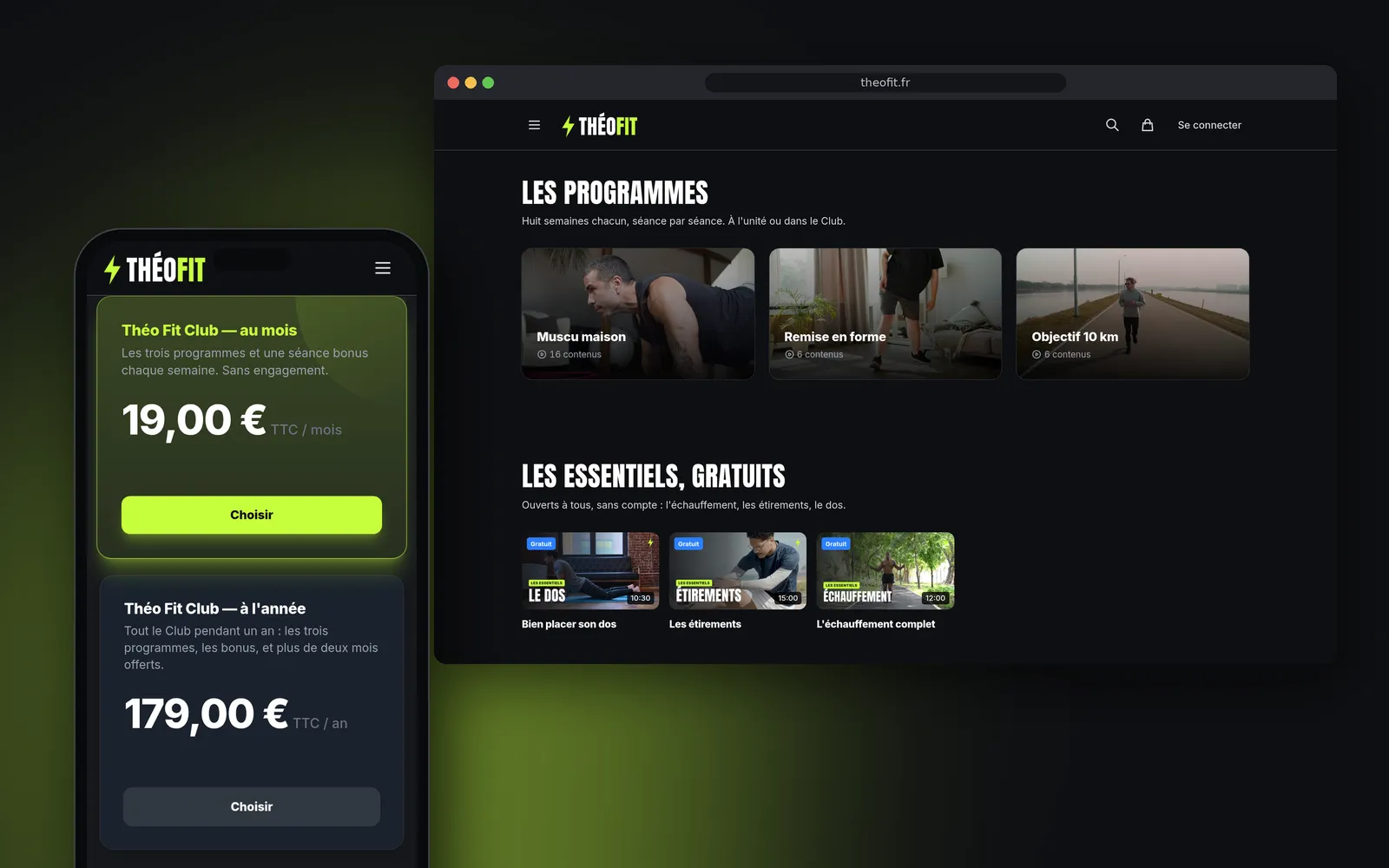
Everything lives on a channel at the coach’s address: one category per program, one sub-category per week, and under each session the plan as a PDF. A few essentials stay open, the other sessions stay visible but locked, with the offer to unlock them.
The offers follow two real habits: one program alone, paid once with its access period, for someone chasing a goal; the club, monthly or yearly, for someone training all year. And all eight weeks open on purchase: whoever goes on holiday catches up.
No app to install, straight from the phone
No development, no app store: the site runs in the phone’s browser, propped on the mat. The session goes to the living-room television through Chromecast when the screen is too small.
Every session started keeps its progress, and the home page offers to resume where you stopped. Hunting for your place in an eight-week program is the surest way not to go back to it.
Questions are asked in the comments under the session concerned, and the coach’s answer carries his name. Behind the scenes, the client list and the sales dashboard say what hours in a gym never did: which program is actually carrying the business.
The same mechanism serves a yoga studio extending its classes, and a photography school selling its catalogue.
How it works, step by step
The coach's site
At his own address and in his colours, designed for the phone before the desktop. The three programs, the club offer, and the essentials left open to draw people in.
A program
One category per program, one sub-category per week. The filing is what separates an eight-week program from a pile of videos.
A week
Four sessions, and the progress bar on the ones already begun. The client sees at a glance what is done and what is left.
A session on a phone
The video, and under it the plan as a PDF: exercises, repetitions, rest times. Nothing to install: it is a web page propped on the mat.
Resuming where you were
The home band leads back to the session in progress. Hunting for your place in an eight-week program is the surest way not to go back to it.
The offers
One program alone, paid once with its access period, or the club that opens everything. Two ways in: one for a goal, one for training all year.
The comments
Questions are asked under the session that prompted them, and the coach's answer carries his name and his badge. With no gym, this is where the relationship lives.
The clients
Who signed up, who bought a program, who is in the club. The list belongs to the coach, exportable, not to a platform.
The revenue
Programs sold, active subscribers, the month's revenue. A coach selling online quickly finds that the ceiling is not his hours, it is his catalogue.
Sport and wellbeing already selling online
Théo Fit is invented; these three are not: a gym, a dance studio and a wellbeing brand selling their sessions online.
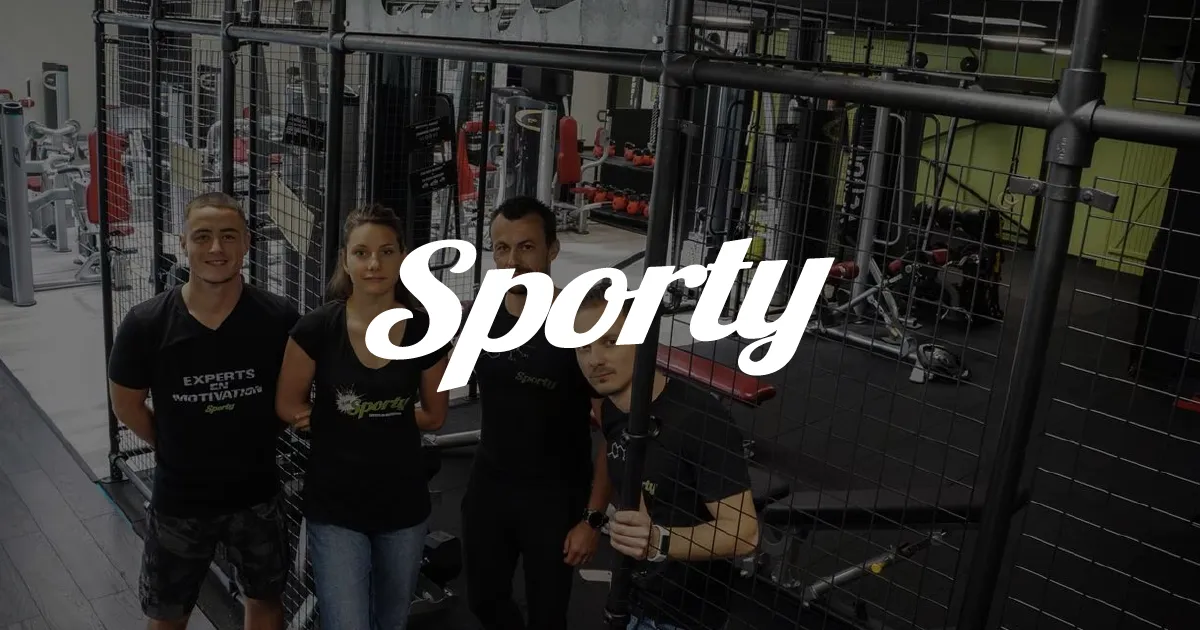
Sporty Forme
Extending a local gym with 60 on-demand classes at €10 a month — Sporty Forme
Sporty Forme, a fitness gym in Locminé, launched its video-on-demand platform with Videas to extend …
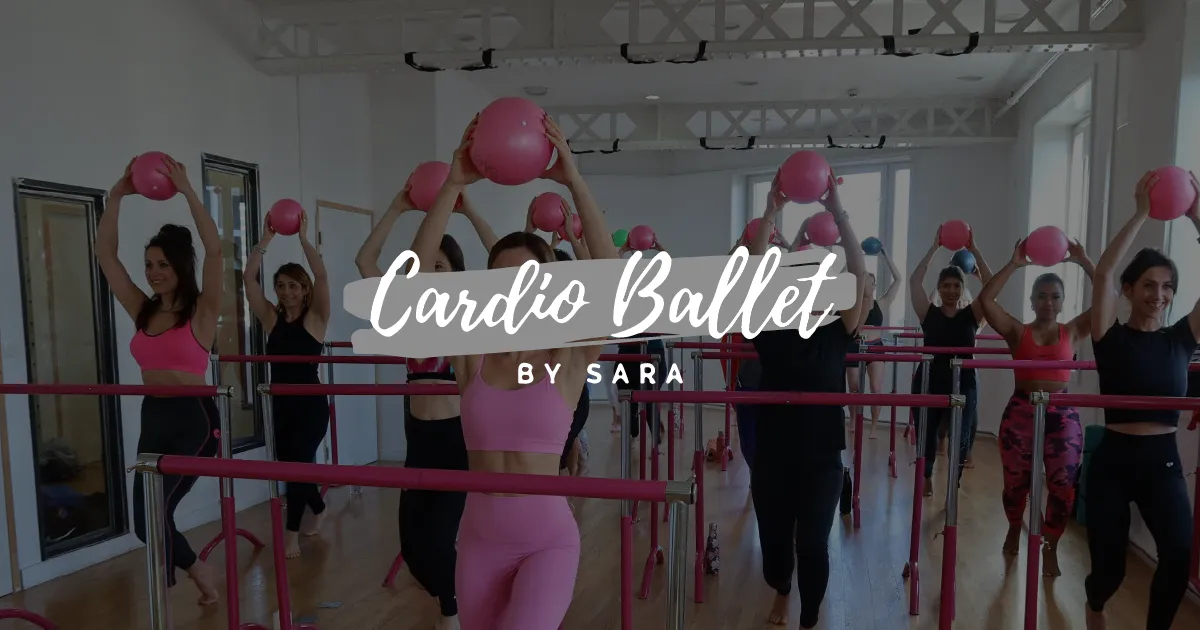
Cardioballet by Sara
Monetizing 300,000 Instagram followers by selling classes and packs — Cardioballet
Sara Capelli, creator of the Cardio Ballet Method with over 300,000 Instagram followers, sells her …
Bodytime
Adding a cookie-free player to an existing coaching site, no rebuild — Bodytime
Bodytime, a leading online fitness coaching brand, integrated Videas to deliver its training programs: a …
What our customers say about us
I wanted to centralize my content on a platform that reflects my identity and lets my community fully enjoy it. With Videas, I launched my own VOD platform without getting bogged down in the technical side.

Videas is an easy-to-use platform that lets you quickly create a VOD channel. The team is attentive and very responsive to our requests. As customers for nearly a year, we strongly recommend this platform for managing your video library and access.

Frequently asked questions
How do you sell online coaching programs?
On a channel at your own address and in your own colours: one category per program, one sub-category per week, and every session with its plan as a PDF. A program sells on its own, paid once with an access period, or all of them together through a monthly or annual subscription.
Do you need to build an app for your clients?
No, and that is good news for the budget: the site runs in the phone's browser, with nothing to download and nothing to get past an app store. A client opens their program the way they open a web page, and can send the session to the television through Chromecast or AirPlay.
Does a client find where they stopped?
Yes: every session started keeps its progress, and the home page offers to resume where they left off. They also keep favourites in My list. It is playback progress, not a session ticked off as done.
Do the weeks unlock one at a time?
No: on purchase, the client has all eight weeks of their program. It is a deliberate product choice, and better written down than discovered: somebody who goes on holiday catches up, somebody in a hurry pushes ahead.
Can the session plan sit under the video?
Yes, a PDF attaches to each session: exercises, repetitions, rest times. It only shows to people with access to that session, and it is what the client keeps in front of them while training.
How do you make people want to buy?
By leaving a few sessions open, the warm-up and the stretches for instance, and keeping the others visible but locked, with the offer to unlock them. A session nobody can see does not sell.
Can clients ask questions?
Under each session, through the comments, with moderation if you want it. Your answers carry your name and the admin badge, so nobody mistakes the coach's advice for another client's. There is no private messaging and no video call.
Can you give a program away or run a promotion?
Yes: promo codes with their duration and their number of uses, for a new term or a challenge, and subscriptions you give to whoever you choose. The statistics then say what each code brought in.
What does the coach see of the business?
The list of clients with their plan, exportable, and a sales dashboard: programs sold, active subscribers, revenue, and a monthly statement. Enough to know which program is carrying the business.
Can you tell clients about a new session?
Through a newsletter sent from the channel to an audience you choose: subscribers, or members who have not bought anything yet. It schedules in advance, and everyone unsubscribes in one click.
More scenarios
All scenarios →Creators & coaches
Open a paying club for your most loyal followers
A membership club on your own site, not a page among others.
Creators & coaches
Sell your courses as a path, on a site of your own
Lessons in order, notes taken while watching, and tracking of who is moving.
Creators & coaches
Sell your filmed classes, by subscription or singly
A branded site, locked classes that stay visible, and two ways to pay.